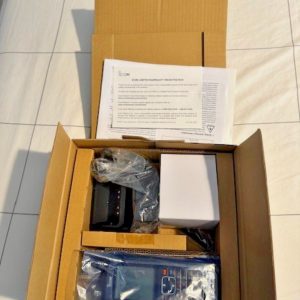
:::writingvariant="document" id="58314" ICOM IC-A25N Handheld NAV/COM Transceiver w/ Bluetooth – Open Box: Advanced Pilot Communication The ICOM IC-A25N Handheld NAV/COM Transceiver w/ Bluetooth – Open Box is designed for aviation users seeking a capable portable radio that can support communication and navigation-related operations. An open-box unit can provide excellent commercial value when the radio, battery, antenna, charger, documentation, and included accessories remain complete and in suitable condition. The ICOM IC-A25N Handheld NAV offers a flexible option for private pilots, commercial operators, instructors, aviation students, and support personnel. An ICOM IC-A25N Aviation Radio can support communication between pilots, air traffic services, flight instructors, ground personnel, and other aviation users where authorized. The ICOM IC-A25N Handheld Radio can serve private owners, instructors, students, aircraft dealers, mechanics, and airport staff who need communication away from a fixed cockpit installation. The Handheld NAV/COM Aviation Transceiver format offers useful flexibility to pilots who want one compact tool for several operational requirements. Whether pilots need a Handheld Aviation Radio, Aviation NAV/COM Radio, Pilot Handheld Radio, or portable Aircraft Communication Radio, the complete package should be inspected and tested. The product can support pilots seeking a Portable Aviation Transceiver, Aviation Navigation Radio, ICOM Pilot Radio, or dependable Backup Aircraft Radio.
Why Pilots Choose the ICOM IC-A25N Handheld Radio
The radio’s portable construction allows it to support aircraft operations before departure, during flight, after landing, or while personnel are working around the airport. Pilots often select a feature-rich handheld radio because it supports communication needs without requiring permanent installation or aircraft modification. Real-world results depend on setup, antenna use, radio configuration, location, surrounding structures, and the condition of the complete package. Training with the device can reduce delays and confusion when rapid communication becomes necessary.Using the ICOM IC-A25N Handheld NAV
The ICOM IC-A25N Handheld NAV can support pilots who want portable access to aviation communication and navigation information during flight preparation or cockpit operations. Private pilots may carry the device during cross-country flights, aircraft repositioning, fly-ins, or travel in rented airplanes. Pilots should verify information using suitable aviation references and avoid relying on one portable device for every navigation decision. The radio should be stored securely so it does not interfere with controls, visibility, passengers, or emergency egress.Benefits of an ICOM IC-A25N Aviation Radio
The handheld unit can support operations during aircraft maintenance, ramp movement, hangar work, or other situations where installed radios are not easily accessible. Pilots attending fly-ins or traveling through unfamiliar airports may appreciate having portable access to communication frequencies. An open-box product should be evaluated carefully even when it appears unused or lightly handled. A functional demonstration can confirm that the radio powers on, accepts charging, responds to controls, displays information, produces audio, and recognizes included equipment.Carrying the ICOM IC-A25N Handheld Radio
A compact radio can remain in a flight bag alongside headsets, charts, flashlights, batteries, and other essential pilot equipment. Battery contacts, charging ports, headset connections, controls, and the display should remain free from dirt, loose objects, and contamination. Portability also allows the radio to be charged and configured away from the aircraft, helping pilots prepare frequencies and settings before entering the cockpit. A portable radio should not be left in extreme heat, direct sunlight, freezing conditions, or damp click here environments for extended periods.Using a Handheld NAV/COM Aviation Transceiver
A Handheld NAV/COM Aviation Transceiver combines portable communication and navigation-related capability within one device, making it useful for pilots who value multifunction equipment. Buyers should compare interface design, battery options, charging arrangements, antenna quality, accessory availability, display readability, audio performance, and operational needs. Users should keep the operating guide accessible until they can manage essential functions without hesitation. The antenna, battery, charger, headset adapter, belt clip, and other accessories should remain organized with the radio.Handheld Aviation Radio Benefits
Handheld radios provide communication flexibility where panel equipment is unavailable, temporarily unpowered, difficult to access, or assigned to another aircraft. Pilots should avoid assuming that an unused radio stored for years will operate correctly without battery care and periodic testing. Accessories such as approved headset connections or suitable external antenna arrangements may influence convenience and performance. Pilots must use aviation frequencies responsibly and comply with applicable licensing, authorization, frequency, and communication requirements.Aviation NAV/COM Radio Functions
An Aviation NAV/COM Radio gives pilots portable access to communication and navigation-support features that may complement installed cockpit avionics. Important features should be practiced on the ground before the radio is used during high-workload phases of flight. The radio’s navigation-related functions should be used within the limits described by the manufacturer and the requirements of the intended operation. Before departure, pilots should confirm that the radio is charged, correctly configured, securely stored, and easy to reach.Choosing a Pilot Handheld Radio
A portable radio can remain with the pilot when changing aircraft, allowing consistent access to a familiar communication device. The device should remain accessible to the pilot without becoming a loose object or interfering with cockpit controls. A pilot should practice basic operations such as powering on, selecting a frequency, adjusting audio, transmitting appropriately, using memory functions, and checking battery status. Battery condition should be reassessed as the pack ages or shows reduced capacity, charging problems, unusual heat, or physical changes.Choosing an Aircraft Communication Radio
An Aircraft Communication Radio supports communication between pilots, air traffic services, other aircraft, flight instructors, and authorized ground personnel. A strong transceiver cannot compensate for poor microphone technique, excessive background noise, incorrect frequency selection, or unclear messages. Moving the radio or antenna within the cockpit may influence reception, but it must remain secure and clear of controls. A cracked housing, loose antenna connection, damaged battery latch, or unreliable control can affect usability even when the radio still powers on.Portable Aviation Transceiver Applications
A compact transceiver may remain available during electrical shutdowns, maintenance events, panel upgrades, or aircraft storage. Charging equipment should be identified clearly and kept with the correct radio and battery system. A wired backup arrangement may remain useful when Bluetooth accessories lose charge, disconnect, or experience interference. Wireless convenience should not replace disciplined equipment checks and familiarity with standard radio controls.Aviation Communication Device for Professional Use
The ideal device balances functionality with an interface the user understands and can operate confidently. Open-box equipment should be compared carefully with new and used alternatives because condition, warranty, packaging, and completeness may vary. Professional users may maintain records of radio assignment, charging, inspections, damage, accessory inventory, and battery replacement. A radio configured for one headset or training environment may need adjustment before being issued for another application.Maintaining a Handheld Aircraft Radio
A Handheld Aircraft Radio can provide useful communication capability both inside the cockpit and around the aircraft during maintenance, preflight, towing, fueling, or operational preparation. Portable operation can improve flexibility at remote airfields or maintenance locations with limited infrastructure. A handheld radio should not be placed on an unstable surface where turbulence or maneuvering could send it across the cockpit. After ground or cockpit use, the radio should be checked for dirt, moisture, fuel residue, oil, impact damage, and accessory wear.Using an Aviation Navigation Radio
A combined navigation and communication unit can help pilots maintain familiarity with one device rather than carrying unrelated portable tools. Competent use comes from practice, realistic expectations, and integration with established navigation procedures. Pilots remain responsible for route planning, weather evaluation, airspace awareness, fuel management, and safe aircraft control. A radio that has not been used recently may require charging, configuration review, Bluetooth reconnection, and accessory inspection.Choosing an ICOM Pilot Radio
An ICOM Pilot Radio can appeal to aviation users who value an established communications manufacturer, aviation-focused controls, portable construction, and practical accessory support. Even a well-regarded radio should be tested for power, audio, charging, display, controls, battery condition, and physical damage. The device should support the pilot’s normal workflow rather than requiring accessories or procedures that are inconvenient or incompatible. Periodic practice ensures that the user remains confident with essential functions as time passes.Emergency Aviation Radio Benefits
A backup transceiver should be included in emergency planning rather than carried without testing or operational preparation. Users should practice essential operation under calm conditions so frequency entry and audio adjustment remain manageable under stress. Emergency preparation may include checking battery endurance, carrying an appropriate backup power source, protecting the antenna, and confirming headset compatibility. Emergency equipment checks can be scheduled with annual inspections, proficiency reviews, seasonal preparation, or flight-bag audits.Using a Backup Aircraft Radio
Pilots who operate several aircraft can carry the same Backup Aircraft Radio and remain familiar with its controls across different cockpit layouts. A dependable backup radio is the result of consistent preparation rather than the assumption that unused equipment remains ready. The device should be placed where it can be retrieved quickly without interfering with flight controls or becoming a loose object. Aviate, navigate, and communicate priorities remain essential whenever communication equipment problems occur.Inspecting an Open-Box ICOM IC-A25N
An open-box ICOM IC-A25N should be inspected for cosmetic condition, display quality, button response, antenna security, battery fit, connector condition, and evidence of previous use. Buyers should ask whether the radio was displayed, returned, tested, paired, charged, transmitted with, or previously registered. The Bluetooth system should be checked for pairing, audio routing, connection stability, and compatibility with supported equipment. Shipment photographs can document package contents and physical condition before dispatch.Routine Care for a Handheld Aviation Radio
Long-term reliability depends on battery care, protected storage, correct charging, careful antenna handling, clean connectors, updated familiarity, and prompt attention to operating concerns. Inspection frequency may need to increase when the device is shared, carried daily, used outdoors, exposed to maintenance environments, or stored in an aircraft.- Confirm that the device powers on, responds correctly, holds charge, produces clear audio, and remains properly configured.
- Verify frequency settings, memory organization, Bluetooth pairing, audio routing, volume, squelch, navigation functions, and battery status during preflight preparation.
- Record any missing component, operating concern, battery issue, or required service before returning the radio to backup status.